


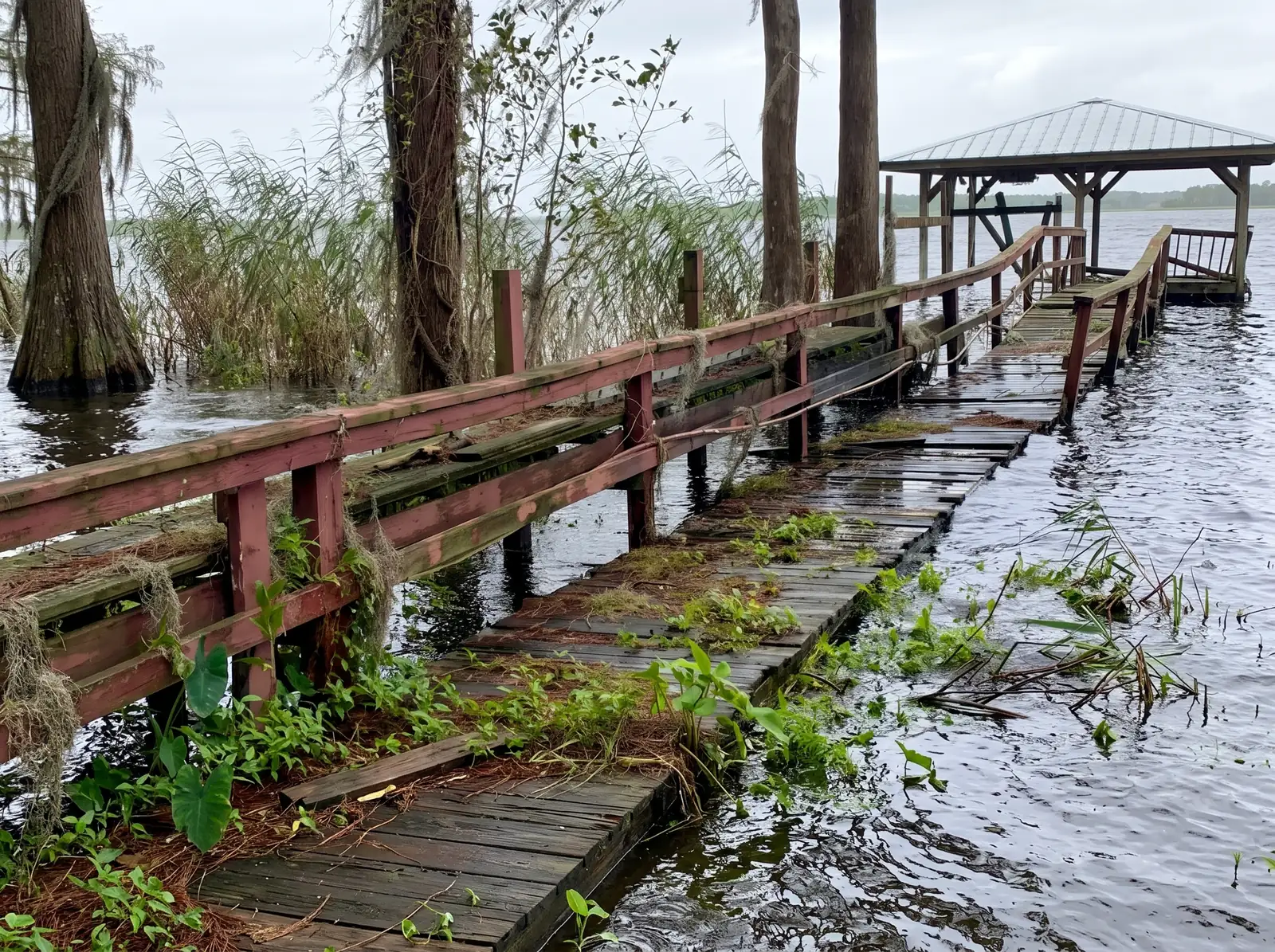
Short answer: Central Florida took a historic rain event in early November 2026, with preliminary National Weather Service totals near 25 inches in places in southern Brevard County and Palm Bay neighborhoods underwater within hours. Waterfront owners in Brevard and Indian River County and across the rest of Central Florida should stay off damaged structures, document what they see, then get docks, lifts and seawalls checked before using them again.
What happened during Central Florida's historic flood?
Rain piled up across Central Florida and the Treasure Coast for several days. Sunday, Nov. 1, and Monday, Nov. 2, delivered the peak totals, especially in southern Brevard. FOX 35 Orlando relayed these preliminary National Weather Service station readings:
- Grant-Valkaria: 24.69 inches
- Malabar: 24.52 inches
- Palm Bay: 22 inches
- Melbourne Beach: 20.87 inches
- Melbourne: 13.70 inches
By Monday afternoon, NWS Melbourne mapped flooding from around Melbourne south through Grant-Valkaria and put most of southern Brevard in a mid-teens to low-20s inch range. FOX 35 also noted heavy rain in nearby counties—more than 13 inches at some Indian River spots and 16.70 inches at a St. Lucie site west of the Port St. Lucie River.
WESH reported that Palm Bay received more than 20 inches of rain in some areas on Monday, that a neighborhood went underwater in about 13 hours, that vehicles were stranded and rescues were needed, and that two people died during the flooding. Timelapse video from Palm Bay shows streets and cars disappearing under rising water.
What flash flood emergencies and river impacts followed?
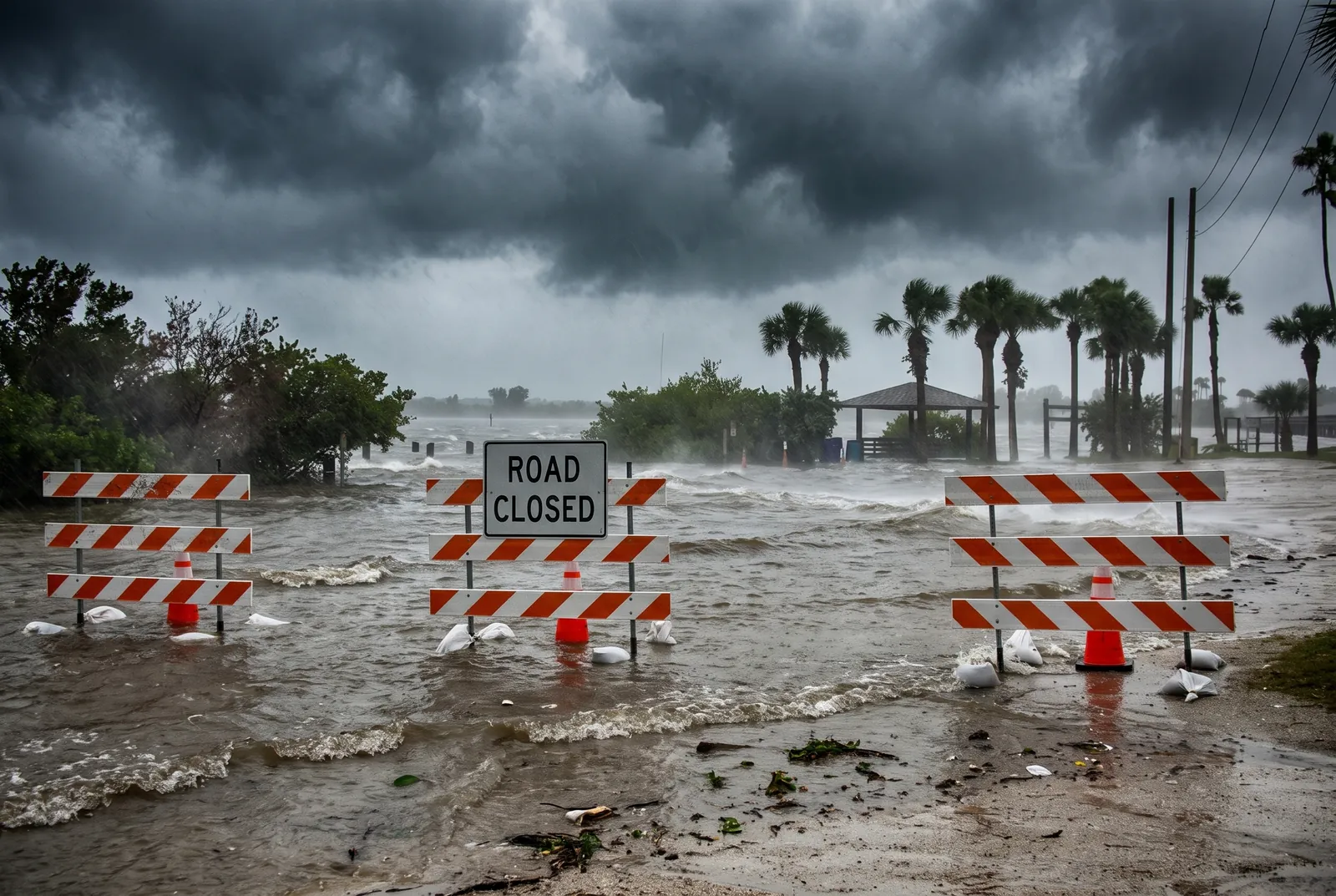
Monday's downpours brought flash flood warnings for Brevard and Indian River and FOX 35 reported that NWS briefly elevated the alert to a flash flood emergency for West Melbourne, Palm Bay and Grant-Valkaria once about 15 to 20 inches was already on the ground. Drivers were told to treat flooded roads and underpasses as life-threatening.
Basin runoff then fed the St. Johns River. FOX 35, citing NWS on Thursday, Nov. 5, said flood warnings still covered forecast points at Cocoa, Geneva, Sanford, DeLand and Astor, and that some reaches could climb into moderate or major flood stage. The Cocoa gauge sat near 16.9 feet that morning with major flooding in the outlook; DeLand was already around its 4-foot flood stage and was expected to keep rising into the following week.
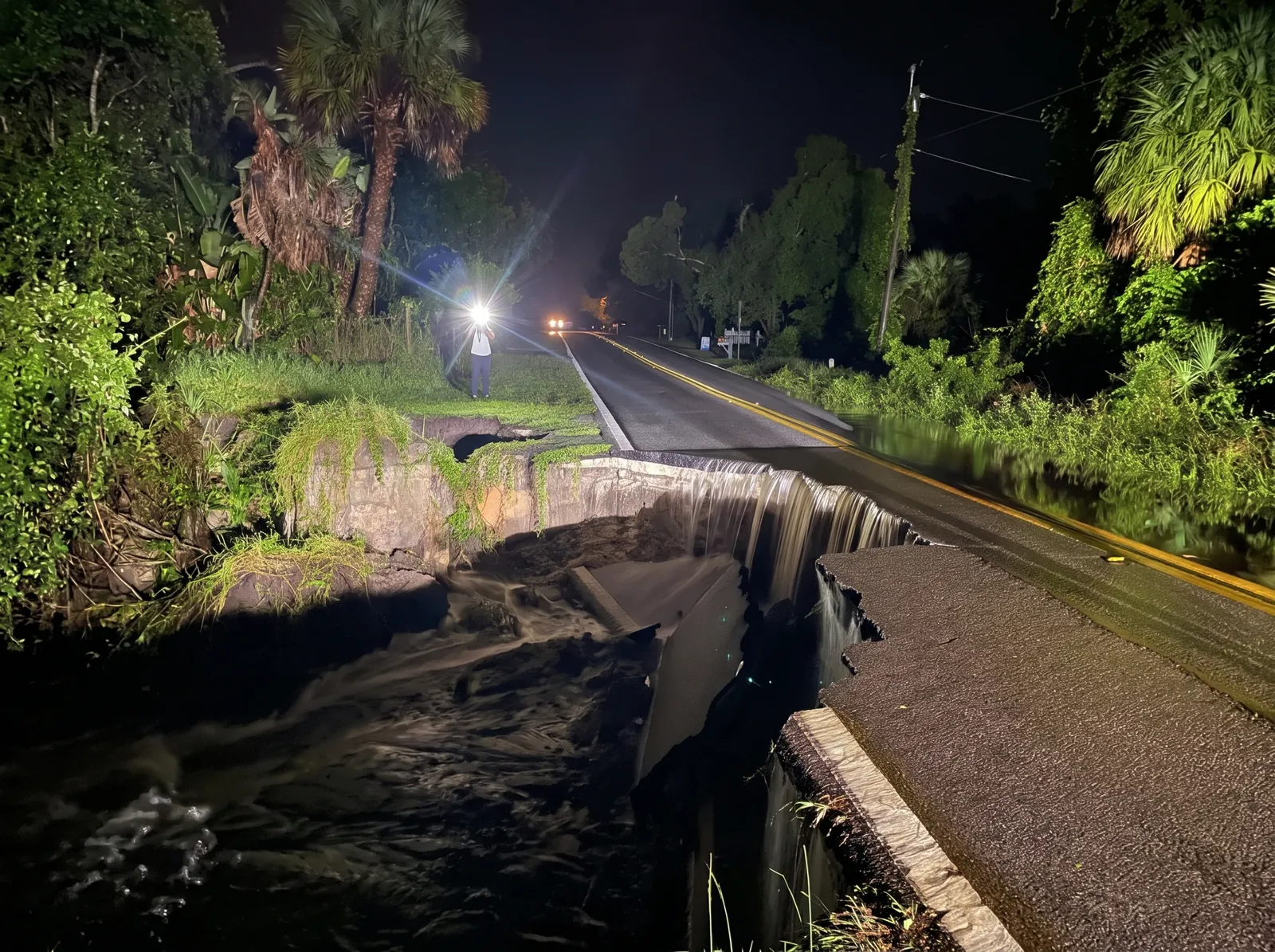
A quieter rain pattern does not empty the river overnight—runoff can keep stages high for days. Check the latest river outlooks from the National Weather Service or NOAA's National Water Prediction Service at water.noaa.gov.
What should I do before I step onto the dock?
Floodwater can hide missing boards, loose hardware and washed-out soil behind a seawall. Treat every dock and wall as suspect until you have checked it from solid ground.
- Stay off damaged or submerged docks and walkways
- Assume boat lift motors, lights and outlets may be wet or unsafe—shut power off at the breaker if you can reach it safely
- Watch for debris, sharp fasteners and soft spots in the bank behind the seawall
- If you smell gas, see sparking or hear buzzing from wet electrical gear, leave and call a licensed electrician
How do I inspect my dock and boat lift?
Walk the shoreline first. Only if the structure looks intact and dry enough, check:
- Pilings: leaning, cracked or newly exposed at the mud line
- Decking and stringers: missing boards, soft spots or sections that bounce
- Fasteners and hardware: pulled bolts, bent brackets, failed connections
- Boat lift: motors, cables, straps and winches that were underwater—do not run a lift until it has been inspected
- Debris: trees, dock pieces or other objects pinned against the structure
How do I inspect my seawall and shoreline?
- New cracks, gaps or bowed panels in the wall face
- Soil washouts, sinkholes or voids behind the wall
- Undercut toe or rock that has shifted at the base
- Clogged weep holes or drainage openings
- Bank erosion where water overtopped the wall
How should I document damage for insurance and assistance?
Photograph and video every damaged area before you move debris or start repairs. Note the date, what flooded and what still works. Contact your insurance company early.
For federal disaster help, start at DisasterAssistance.gov and review FEMA's Individual Assistance overview. Whether programs apply depends on official declarations and program rules—we do not invent deadlines or dollar amounts here. Locally, Brevard County Emergency Management posts recovery guidance at brevardfl.gov/EmergencyManagement/Recovery, and the county Storm Center has shared flood cleanup assistance information for residents. Owners in Indian River County and other Central Florida counties should check their own county emergency management offices for local recovery information.
When should I call a professional?
Call a marine contractor if pilings lean, the deck feels soft, a lift was submerged, the seawall is cracked or undercut, or you are simply unsure it is safe. After high water, also review our guides to king tides and your seawall and dock and preparing a dock for hurricane season. A short inspection can prevent a collapse or electrical injury later.
How does Dockside Builders help after a flood?
Since 1980, Dockside Builders, based in Sebastian, has built and repaired docks, seawalls and boat lifts across Florida's Space and Treasure Coasts, including Brevard and Indian River County. If the wall itself needs work, see which seawall type fits a Treasure Coast shoreline. For standing water and debris, we also provide storm and water cleanup. After flooding we can:
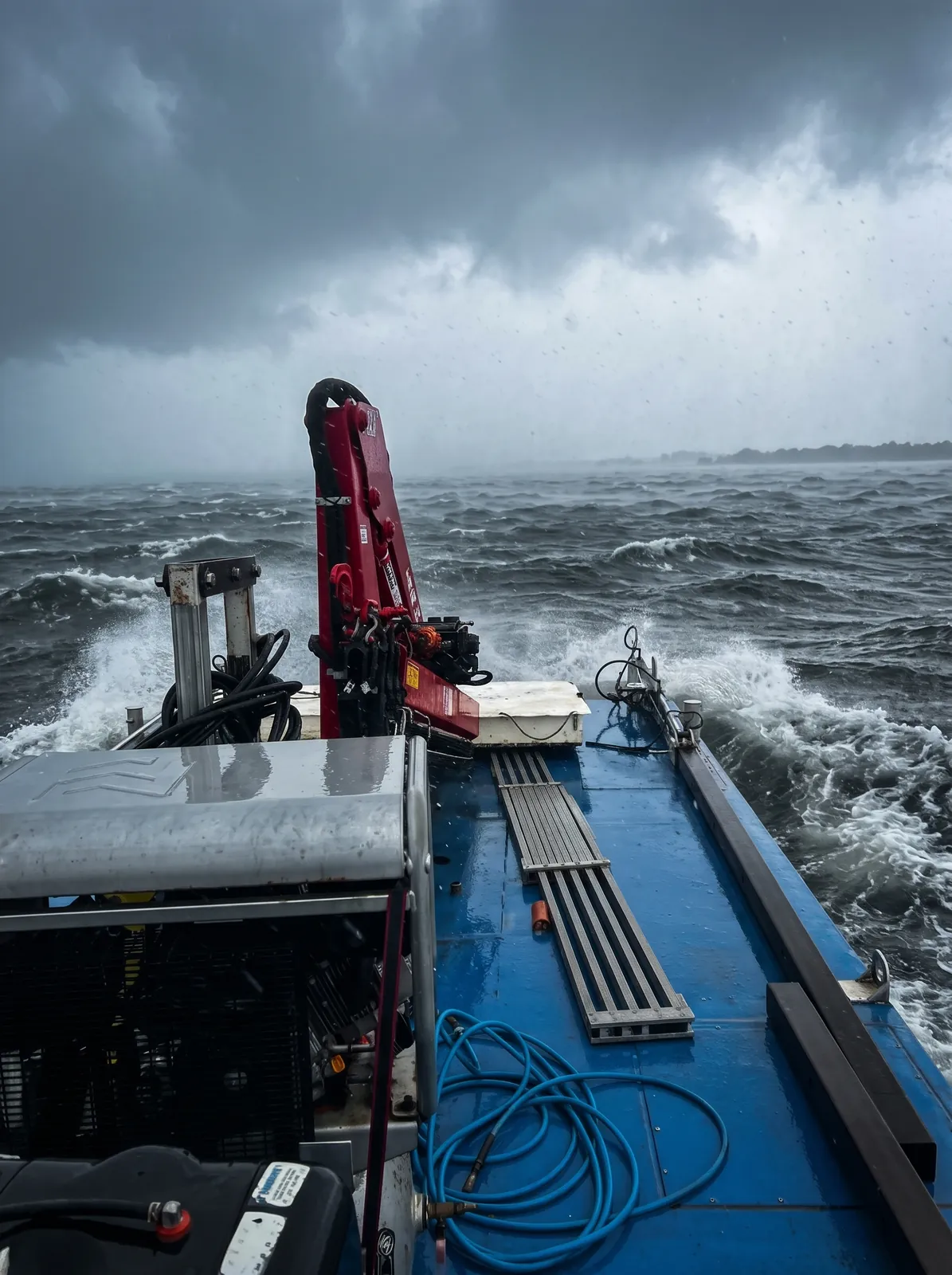
- Inspect docks, lifts and seawalls for structural and safety issues
- Handle storm cleanup and debris removal along the waterfront
- Prioritize emergency repairs that protect the rest of your shoreline
- Help you organize photos and notes as you work with insurance and public assistance resources
How do I get a free estimate after the flood?
If your Central Florida dock or seawall took a hit in this flood, tell us what you are seeing and we will set a time to look at the property. Dockside Builders is based in Sebastian and works across Brevard and Indian River County. Call 772-664-6798, contact us or request a free estimate. You can also browse our marine construction services.
Our partners: Dockside Builders works alongside community, conservation and industry partners on Florida's Treasure and Space Coasts. Meet our partners.

